
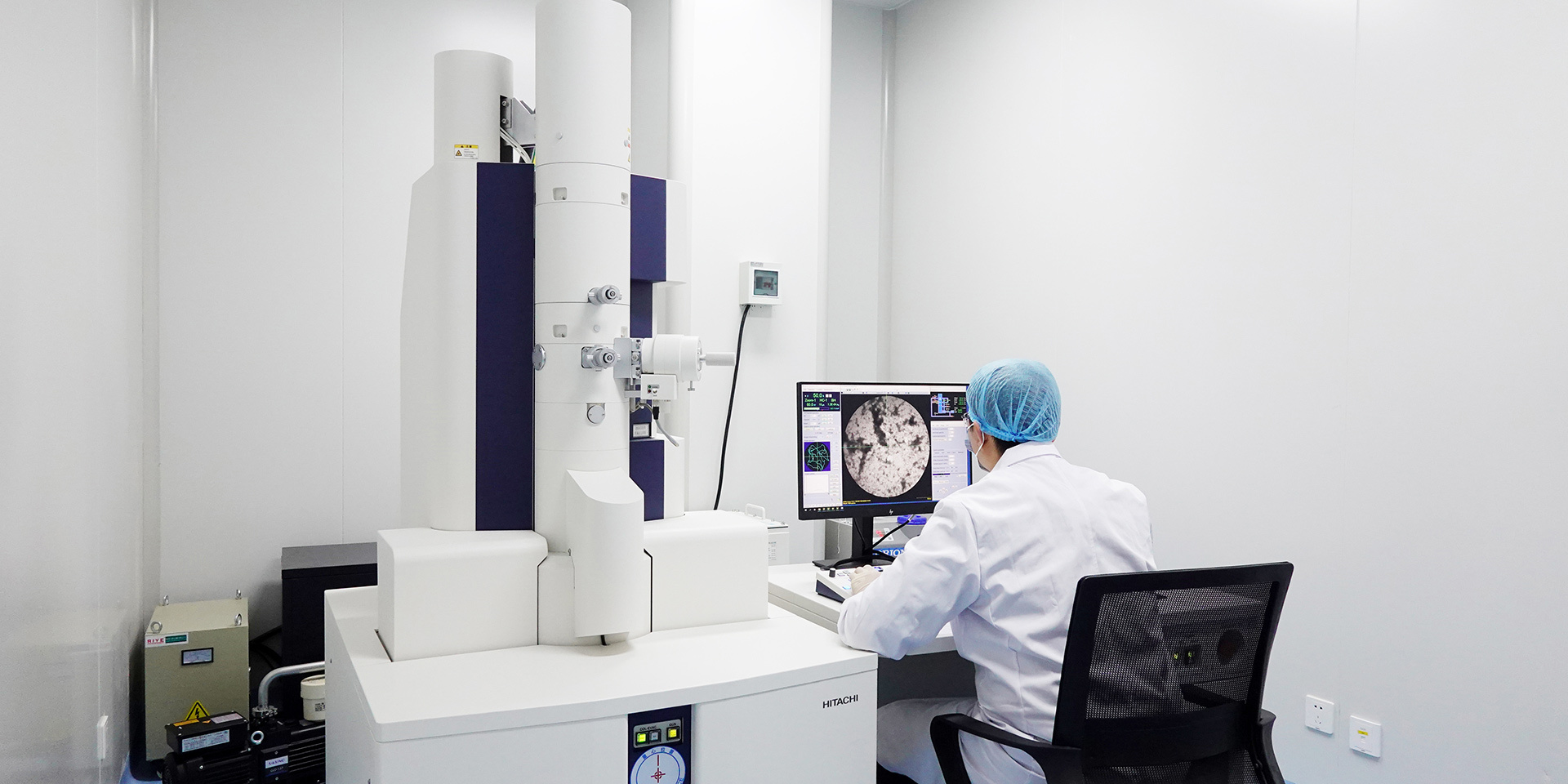
Recently, the State Food and Drug Administration inspection Center officially released the "cell therapy product production Quality Management Guide (trial)", the full text of 13 chapters, covering the basic principles of cell therapy product GMP management, personnel, plant, facilities and equipment, donor screening and donor materials, materials and products, production management, quality management, product traceability system and other contents, as follows:

Guidelines for Quality management of cell therapy products
(trial)
Food and Drug Inspection Center, State Drug Administration
In October 2022
catalogue
I. Purpose
Ii. Basis of regulations
Iii. Scope
Iv. Principles
V. Personnel
Vi. Plant, facilities and equipment
7. Donor screening and donor materials
Viii. Materials and Products
Ix. Production Management
10. Quality Management
Xii. Others
Xiii. Terms
I. Purpose
The field of cell therapy products in our country is currently in the stage of rapid development. To further promote the healthy development of the field, based on the current scientific cognition and the development status of cell therapy products related technology, this guide is put forward, mainly to refine and improve the technical requirements of production quality management in the industrial stage of cell therapy products. It is designed to provide guidance for manufacturers of cell therapy products, and can also be used as an important reference for regulators to carry out various on-site inspections. Due to the rapid development of the cell therapy product industry and the continuous emergence of innovative technologies, there may be more advanced and perfect production quality management technology means in the future or content inconsistent with this guide. According to this, manufacturers may provide detailed explanations and scientific and complete supporting reasons and basis to prove the controllability of production quality management. With the development of science and technology, the deepening of cognition and the accumulation of experience in the future, the content of this guide will be gradually revised and improved.
Ii. Basis of regulations
1. Drug Administration Law of the People's Republic of China
2. Regulations for the Implementation of the Drug Administration Law of the People's Republic of China
3. Biosafety Law of the People's Republic of China
4. Pharmacopoeia of the People's Republic of China
5. Measures for the Administration of Drug Registration
6. Measures for the Supervision and Administration of Drug Production
7. Drug Manufacturing Quality Management Practice and its Appendix
8. Provisions on the Administration of Drug Registration Verification
9. Measures for the Reporting and Monitoring of Adverse Drug Reactions
10. Administrative Measures on Drug Recall
11. Provisions on the Administration of Drug Instructions and Labels
12. Principles of Risk Assessment for On-site Inspection of Drug Manufacturers
13. Clinical Waste Management Ordinance
14. Regulations on the Biosafety Management of Pathogenic Microbiology Laboratories
15. Manufacturing and verification procedures approved by drug regulatory authorities
Iii. Scope
(I) Cell therapeutic products referred to in this Guide (hereinafter referred to as cell products) refer to human live cell products prepared by appropriate in vitro operations (such as isolation, culture, amplification, gene modification, etc.) approved for marketing of pharmaceutical products, including cells with or without genetic modification, such as autologous or allogeneic immune cells, stem cells, histocytes or cell lines; It does not include blood components for transfusion, hematopoietic stem cells for transplantation, reproductive related cells, tissues and organ products composed of cells, etc.
(II) This guide applies to the whole process of cell products, from the transportation, reception, production and testing of the donor's materials to the release, storage and transportation of the finished product.
The production, testing and release of gene modified vectors or other materials (such as viruses, plasmids, RNA, antigenic peptides, antigenic proteins, protein-RNA complexes, etc.) directly used in the production of cell products shall be in accordance with the requirements of the Quality Control Practice for Drug Manufacturing and its relevant appendices.
(3) Since the donor materials of cell products are derived from human bodies, the production shall also comply with the relevant regulations of the State on biosecurity and the management of human genetic resources, so as to prevent the introduction or transmission of infectious disease pathogens.
Iv. Principles
(I) The production of cell products has the following characteristics:
1. The donor material is derived from human body and may contain infectious disease pathogens.
2. The quality of supplier materials is affected by its source, type, characteristics and other factors, and has differences. The production process of autologous cell products needs to fully consider the influence of individual differences of donor materials, formulate reasonable process steps and parameters, and implement production within the approved range.
3. Influenced by suppliers' material sources and product types, the product production volume may vary greatly, the production organization mode is relatively flexible, and the production and clinical needs are more closely combined.
4. Temperature and time limit have a more significant impact on the quality of the supplier's materials and products.
5. Since cell products are living cells and contain nutrients to maintain cell survival, the contaminated production process of the donor materials is more conducive to the propagation and diffusion of microorganisms, and cannot be sterilized at the end, so the pollution is not easy to remove.
6. If there is any confusion or error in the products made from somatic cells or products made from allogeneic donor materials that need to be used to match the patient's type, the mismatch between the donor materials or cell products and the patient may result in serious life-threatening consequences for the patient.
(II) In view of the above particularities of cell products, the enterprise shall take special control measures for the whole process from the collection of donor materials to the use of patients, including at least:
1. Conduct risk assessment for the whole process from the receipt of materials from suppliers to the storage and transportation of finished products, and formulate corresponding risk control strategies to ensure the safety, effectiveness and quality control of products.
2. Establish biosafety management system and records, have facilities and equipment to ensure biosafety, prevent and control biosafety risks in the production process, and prevent the introduction and transmission of pathogens.
3. Monitor the temperature and operation time of the supplier's materials, products or production environment during the whole process of the supplier's material transportation, reception, production, storage and transportation, to ensure that the corresponding operations are completed within the specified temperature and time limit.
4. In the whole process of product production, special attention should be paid to preventing microbial contamination or cross-contamination, including the contamination or cross-contamination that may be brought to the product by the production process of the carrier and the cross-contamination that may exist in the production process of different carriers.
5. During the whole process from the collection of donor materials to the use of patients, donor materials, intermediate products or finished products should be correctly identified and traceable to prevent confusion and error.
V. Personnel
(1) The person in charge of production control, the person in charge of quality control and the person authorized for quality control shall have the corresponding professional knowledge (microbiology, biology, immunology, biochemistry, biological products, etc.) and be able to perform their duties in production and quality control.
(2) Personnel engaged in cell product production, quality assurance, quality control and other related work (including cleaning and maintenance personnel, etc.) shall be trained and authorized in biosafety protection, and all training contents shall conform to the relevant regulations of the State on biosafety, especially the relevant knowledge training on preventing the spread of infectious diseases pathogens.
(3) During the production period, personnel engaged in carrier production shall not enter the production area of cell products without taking effective decontamination measures as required, and personnel who have direct contact with materials containing the donor of infectious disease pathogens shall not enter other production areas.
Vi. Plant, facilities and equipment
(1) Genetically modified viral vectors directly used in the production of cell products should be isolated from cell products, other vectors or biological materials, and produced in their own independent production areas and equipped with independent air conditioning purification systems.
(2) In the production of cell products using donor materials containing pathogens of infectious diseases, the production operation shall be carried out in an independent dedicated production area with an independent air conditioning purification system, and the production area where the product is exposed to the environment shall maintain a relative negative pressure.
(3) Closed systems or equipment should be used for the production of cell products; The cleanliness level of the closed system or the environment in which the device is placed can be lowered. The integrity of the closed system or the device should be checked regularly.
(4) Cell products, gene modification vectors directly used in the production of cell products or other materials that give them specific functions, the level of cleanliness of the production operating environment can be selected by referring to the examples in the table.
Cleanliness level
Production operation example
Class A in the context of Class B
1. Production operations and transfers that are not completely closed;
2. Preparation of solutions and culture-medium that cannot be filtered by sterilizing bacteria;
3. Separation of carrier after sterilization and filtration.
Local Class A in a Class C background
1. In the production process, sterile syringes are used to carry out puncture sampling and other operations on products and solutions in a closed state;
2. Passage operation of cells for viral vector production;
3. Bactericidal filtration of bactericidal filtration solutions and culture-medium;
4. Sterilization and filtration of carrier.
Class C
1. Purification operation of the carrier that can remove bacteria and filter;
2. Preparation of filtrable solution and culture-medium.
Grade D
1. Use closed lines to transfer products, solutions or culture-medium;
2. Use closed systems or equipment for production operations of cell products and carriers (such as sterile packaging of products in isolators) and sampling;
3. Plasmid production Fermentation or culture of cells in airtight tanks for the production of engineered bacteria or viral vectors.
Note: With the exception of Level D, all production operations in the table are performed in an unsealed system.
(5) Donor materials and corresponding cell products containing the pathogen of infectious diseases shall be stored in a separate isolation area or equipment, separate from the storage area of other donor materials and corresponding cell products, and independent storage equipment shall be adopted. The isolation area and storage equipment shall be clearly marked.
(6) Laboratories used for the examination of markers of infectious disease pathogens in donor materials and cell products, or for the detection of samples containing infectious disease pathogens, shall comply with the relevant regulations of the State on laboratory biosafety and shall have in situ inactivation or disinfection equipment.
7. Donor screening and donor materials
(1) Enterprises shall establish donor screening and testing standards and quality standards for donor materials, and conduct risk assessment with comprehensive consideration of factors such as biosafety level of microorganisms, category of infectious diseases and intended use of cell products, and periodically review their applicability.
The enterprise shall not accept the supplier's materials that do not meet the quality standards.
(2) The enterprise shall select a legally qualified medical institution as the institution for the collection of donor materials and the use of cell products, and clarify the responsibilities of both parties. The quality control department shall regularly evaluate the quality of the medical institution and, according to the evaluation, conduct on-site quality audit of the medical institution together with the relevant departments of the enterprise, so as to ensure that the screening and testing of the medical institution's donors, the collection of the materials of the donors and the use of the products meet the relevant requirements.
(3) The enterprise shall establish operating procedures for quality assessment and accreditation of medical institutions, specify the qualifications, selection principles, quality assessment methods, assessment standards and accreditation procedures of qualified medical institutions, and specify the content, cycle, composition and qualification of auditors of on-site quality audit.
(4) The quality control department of the enterprise shall designate specially-assigned persons to be responsible for the on-site quality audit of the medical institutions, determine the list of accredited qualified medical institutions, and establish the quality files of each medical institution.
(5) The enterprise shall sign a quality agreement with an approved qualified medical institution. The content of the quality agreement should include, at a minimum, the responsibilities of both the medical institution and the enterprise, the method of collecting donor materials, storage conditions, quality standards, receiving procedures and/or the use of cell products.
(6) The enterprise shall regularly review and evaluate the medical institution's collection of donor materials and use of cell products, and shall promptly require the medical institution to take corrective and preventive measures once it is found that the medical institution does not conform to the operating procedures and may cause adverse effects on patients, and shall not be included in the list of qualified medical institutions if necessary.
(7) The enterprise shall formulate written requirements for the collection, preservation, transportation and receipt of the donor's materials, and specify the collection methods, preservation and transportation conditions of the donor's materials and the standards for receiving them.
(8) For each batch of materials received from the supplier, the enterprise shall at least check the following contents:
1. From legitimate and qualified medical institutions assessed and approved by the enterprise.
2. The monitoring records of temperature and time limit during transportation are complete, and the temperature and time limit meet the requirements; If there are special requirements for the storage temperature and time limit of the donor material after collection, there should also be a complete temperature and time monitoring record, and meet the standard requirements.
3. The package is intact and without damage.
4. The contents of the package label are complete, including at least the personal identification code that can be traced back to the donor, the collection date and time, the collection amount and the name of the medical institution that implements the collection; If a computerized system is used, packaging labels should be able to trace the above information.
5. Collection records of donor materials.
6. The results of donor screening and clinical tests should include, at a minimum, the detection of pathogen markers for specific infectious diseases.
(9) Self-donor materials known to contain pathogens of infectious diseases shall be separated from other donor materials during transportation, receipt, storage, distribution or transfer, and each package shall be clearly marked.
(10) Before putting into use, the enterprise shall evaluate the quality of each batch of supplier's materials, including at least:
1. Confirm that the donor materials are from legitimate medical institutions that have been evaluated and approved by the enterprise and meet the screening standards, and check the relevant information according to Article 4 of Article (8) above.
2. The storage temperature and time limit of the donor materials from the collection of medical institutions to the release of the enterprise for production shall meet the requirements.
3. The packaging of the supplier's materials is complete without damage.
4. Deviations in the process of transportation and storage have been investigated and dealt with according to relevant regulations.
Viii. Materials and Products
(1) For the biological materials used in the production of cell products, such as cell lines/lines, engineering bacteria, carriers, reagents and serums of animal origin, enterprises shall ensure that their sources are legal, safe and in line with quality standards to prevent the introduction of exogenous factors.
(2) The enterprise shall conduct risk assessment on the materials and determine the main materials (such as gene modification carriers directly used in the production of cell products or other materials with specific functions, cytokines, growth factors, enzymes, serums, feeding cells, disposable consumables, etc.). The identification of major materials shall be recorded. Incoming inspection shall be conducted for major materials and additional risk mitigation measures (e.g., enhanced quality control) may be considered based on specific risks.
(3) For in vitro diagnostic reagents used for the detection of markers of pathogens of specific infectious diseases (HIV, HBV, HCV, trebalema pallidum, etc.), the products approved by the drug regulatory department shall be preferred, and the products approved by the drug regulatory department for blood source screening shall be preferred.
(4) The transportation of the donor's materials and cell products shall be confirmed.
(5) Operating procedures shall be established for the safe and effective disposal of substandard supplier materials, intermediate products and finished products, and the disposal shall be recorded.
Ix. Production Management
(1) Cell products According to the process characteristics, the product batch may be considered as a batch of a certain number of products of uniform quality produced under the same production conditions and with the same production process in the same production cycle. The total number of cells produced in a single batch is the batch produced.
(2) The aseptic process simulation test of cell products, gene modification vectors directly used in the production of cell products or other materials endowed with specific functions shall at least meet the following requirements:
1. For aseptic manufacturing operations using non-closed systems, the aseptic process simulation test shall include all manual exposure processes.
2. If closed system is used for aseptic production operation, the aseptic process simulation test should focus on the steps related to closed system connection; If there are aseptic manufacturing operations that are not simulated, a risk assessment shall be conducted and the reasonableness of not conducting aseptic process simulation shall be explained in writing.
3. For aseptic production operations that require a long time to complete, the rationality of shortening the simulation time of some operations (such as centrifugation and culture) should be explained in combination with risk assessment.
4. Aseptic production operations (such as freezing storage) that inhibit microbial growth and may affect the results of the aseptic process simulation test are not included in the aseptic process simulation test after risk assessment.
5. If there are multiple same production lines in the same production area, after each production line successfully passes the first verification of aseptic process simulation test, extreme value method or matrix method, or a combination of both methods can be adopted to conduct aseptic process simulation at least once per shift for half a year
